Water can become a serious property maintenance concern when it enters areas that are not designed to handle continuous moisture. From rooftop surfaces and terraces to bathrooms, basements, and balconies, even a small leak can gradually affect finishes and building materials. Choosing the Right Waterproofing Solution can help property owners address these risks according to the location and condition of the affected area.
But which waterproofing method should you choose? The answer depends on where the water is coming from, the type of surface involved, and the condition of the existing structure.
What Does Waterproofing Do for a Property?
Waterproofing creates a protective barrier that limits the movement of water into a building surface. Depending on the system selected, it may be applied as a coating, membrane, or other protective layer.
Waterproofing can help reduce moisture exposure in areas including:
Roofs and terraces
Bathrooms and kitchens
Balconies
Basements
Foundations
Water tanks
Swimming pool areas
External building surfaces
The goal is not simply to cover a wet surface. The waterproofing system should address the conditions that are allowing water to enter in the first place.
How Can You Find the Right Waterproofing Solution?
There is no universal waterproofing material for every part of a building. Before choosing a system, several questions should be answered.
Where Is the Water Coming From?
The first step is to locate the source of the moisture. Is water entering from above, through a crack, around a joint, or from the surrounding ground?
For example, a damp patch on a ceiling could be connected to a terrace, bathroom, roof, or plumbing issue above it. Treating only the visible mark may leave the actual source untouched.
Finding the cause helps determine the Right Waterproofing Solution rather than applying an unsuitable treatment.
What Surface Needs Protection?
The location of the waterproofing work makes a significant difference.
A roof may require protection against weather exposure and standing water. A bathroom needs a system suitable for frequent moisture. A basement may require protection against water pressure and moisture coming through surrounding surfaces.
For this reason, waterproofing should be selected according to the specific application.
Which Waterproofing Methods Are Commonly Used?
Waterproofing methods vary depending on the surface, location, and specific needs of the building.
Liquid-Applied Waterproofing
Liquid waterproofing products are applied directly to a prepared surface and form a continuous protective layer after curing. They can be considered for suitable roofs, terraces, balconies, and other areas.
One advantage is that the coating can cover many surface details when correctly applied.
Cement-Based Waterproofing
Cementitious systems use cement-based waterproofing compounds to create a protective layer. They are commonly considered for wet areas such as bathrooms, utility spaces, tanks, and certain concrete surfaces.
The substrate must be prepared properly before application.
Waterproofing Membranes
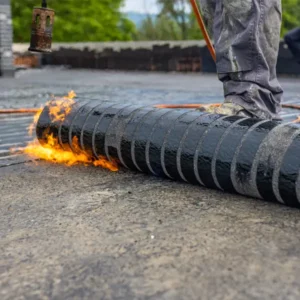
Membrane systems provide a separate waterproof barrier over the relevant surface. Different membrane materials are available for roofs, underground structures, terraces, and other applications.
The choice depends on factors such as surface condition, movement, exposure, and project requirements.
Flexible Waterproofing Systems
Some areas experience movement caused by temperature changes or structural conditions. Flexible waterproofing systems may be considered where the waterproofing layer needs to accommodate limited surface movement.
A professional assessment is useful before selecting such a system.
What Should You Check Before Starting Waterproofing Work?
The waterproofing product is not the only factor to consider; the existing surface and its condition also play an important role in determining the appropriate solution.
Is the Surface Damaged?
Cracks, loose concrete, deteriorated coatings, or damaged joints may need to be repaired before waterproofing begins. Applying a waterproofing layer over an unsuitable surface can affect its performance.
Is There Proper Drainage?
Water should have a suitable path to drain away. Poor drainage can leave water standing on roofs and terraces, increasing the possibility of leakage.
Is the Existing Waterproofing Still Effective?
If an older waterproofing layer has deteriorated, a contractor may need to assess whether it should be repaired, removed, or replaced.
What Indicates That a Property May Need Waterproofing?
Property owners should look for early signs such as:
Damp patches on walls or ceilings
Peeling or bubbling paint
Water stains
Persistent moisture
Cracks around wet areas
Water collecting on flat surfaces
Musty odours
Repeated leakage after repairs
Identifying these signs early can help prevent a minor moisture issue from becoming a larger maintenance problem.
Should You Waterproof the Entire Area or Repair One Spot?
The appropriate approach will vary based on what is causing the issue and how widely the affected area has been impacted.
If water is entering through one identifiable defect, localized repair may sometimes be appropriate. If the existing waterproofing system has failed across a larger surface, a more comprehensive treatment may be required.
A site inspection can help determine the scope of work instead of relying only on the visible leak.
Why Is Professional Waterproofing Important in Dubai?
Dubai properties can have different construction types, surface materials, and maintenance requirements. Selecting and applying waterproofing materials requires attention to surface preparation, joints, cracks, application conditions, and finishing details.
Zillion Technical Services LLC provides technical and property maintenance services in Dubai and across the UAE. The company can assess waterproofing requirements for residential and commercial properties and recommend a suitable approach based on the affected area and site conditions.
What Questions Should You Ask a Waterproofing Contractor?
Before starting a project, property owners can ask:
What Is Causing the Leakage?
Understanding the suspected source helps determine whether waterproofing, repair, drainage improvement, or another solution is required.
Which Waterproofing System Will Be Used?
Ask why the proposed system is suitable for the specific surface and application.
What Surface Preparation Is Required?
A reliable waterproofing installation generally depends on appropriate cleaning, repairs, preparation, and application.
Which Areas Will Be Covered?
Confirm whether the work includes cracks, joints, corners, drains, edges, and other vulnerable points.
Conclusion
Selecting the Right Waterproofing Solution starts with understanding the source of moisture and the area that needs protection. Roofs, bathrooms, terraces, basements, and balconies can have different requirements, so one waterproofing method should not automatically be applied everywhere.
A proper inspection, suitable material, good surface preparation, and professional installation can help create a more effective waterproofing system. For property owners in Dubai, working with an experienced technical services company such as Zillion Technical Services LLC can help identify the appropriate waterproofing approach for the property.
