
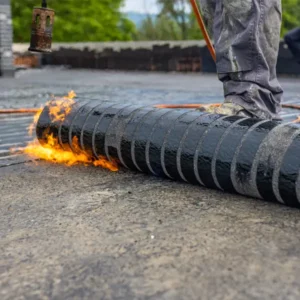






A leaking roof membrane during peak summer, an AC breakdown in occupied offices, a pool pump failure before a weekend booking – most building problems are expensive because they happen at the worst possible time. An annual maintenance contract for building operations is designed to reduce that risk. Instead of reacting to failures one by one, owners and facility teams put a planned system in place to keep core assets working, safe, and presentable throughout the year.
For property owners, landlords, and facility managers, that shift matters. Buildings in hot climates work harder. HVAC systems run longer, waterproofing is constantly tested, pumps and electrical components face continuous load, and finishes wear faster in high-use spaces. When maintenance is handled through separate vendors on a call-out basis, response times vary, accountability gets blurred, and small defects are often left to grow into larger repairs.
What an annual maintenance contract for building services should cover
A good contract is not just a bundle of emergency visits. It should combine preventive maintenance, inspection routines, repair support, and technical coordination across the systems that affect daily operations.
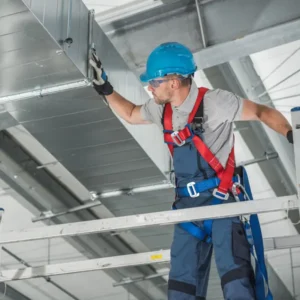
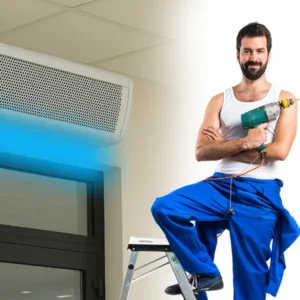
In practical terms, coverage often includes HVAC servicing, electrical checks, plumbing maintenance, water pump inspection, drainage review, waterproofing attention, minor civil works, painting touch-ups, and common-area upkeep. In some properties, it may also extend to swimming pools, air curtains, sanitary fixtures, tile repairs, and renovation-related maintenance needs.
The right scope depends on the building. A residential tower, a villa compound, a retail unit, and an industrial facility do not carry the same risk profile. That is why the strongest AMC arrangements start with a site assessment instead of a generic package. The age of the asset, occupancy type, operating hours, and history of recurring faults all affect what should be included.
Why building owners choose an AMC instead of call-out repairs
The biggest advantage is control. With reactive maintenance, the budget is shaped by failure. With an AMC, the budget is shaped by planning. That does not mean all surprise repairs disappear, because they do not. It means you are more likely to catch worn parts, drainage issues, electrical irregularities, and HVAC inefficiencies before they turn into urgent disruptions.
There is also a coordination benefit. One contractor managing multiple trades can simplify communication and speed up decision-making. If an AC leak is tied to drainage blockage and ceiling damage, you do not need three separate vendors debating responsibility. A single technical partner can inspect the issue, identify the root cause, and organize the corrective work with less delay.
For commercial properties, downtime is the real cost center. Tenant complaints, interrupted operations, emergency closures, and damaged finishes can all have a direct financial impact. For residential owners, comfort and habitability are the immediate concern, but long-term asset value matters just as much. Deferred maintenance always looks cheaper until replacement becomes the only option.
Preventive maintenance is where the real value sits
Many buyers focus first on how many emergency visits are included. That matters, but it is not the part of the contract that protects the asset most effectively. The real value of an annual maintenance contract for building performance comes from preventive work done on time and done properly.
Routine AC servicing is a good example. If filters, coils, drainage lines, and controls are not checked regularly, the system becomes less efficient and more likely to fail under demand. The same logic applies to pumps, electrical panels, waterproofing details, sealants, sanitary fittings, and pool systems. Components rarely go from perfect to failed overnight. Most of them show warning signs first.
Preventive maintenance also improves planning for replacements. If technicians flag a pump motor nearing end of life or repeated water ingress around a terrace joint, the owner can schedule work before the issue disrupts occupants or damages surrounding materials. That is a much stronger position than approving emergency work after the failure has already spread.
What to look for before signing an annual maintenance contract for building assets
Scope should come first. The contract needs to state exactly what systems are covered, how often inspections will take place, what counts as preventive service, and what falls outside the agreement. Vague wording creates friction later, especially when urgent repairs are involved.
Response commitment is equally important. A 24/7 contact point sounds good, but it is only meaningful if the provider can actually mobilize qualified technicians when needed. Ask how emergency calls are categorized, what response windows apply, and whether common spare parts are readily available.
Technical range is another key factor. Buildings rarely fail one trade at a time. HVAC, plumbing, waterproofing, electrical systems, finishes, and civil elements often overlap. A one-stop service model can be more efficient because it reduces handoff delays and keeps accountability with one team.
Documentation should not be overlooked. Service reports, inspection records, fault history, and recommendations give owners a clearer view of asset condition. They also help with budgeting and future renovation decisions. If a contractor is maintaining a building all year, they should be able to show what was done, what was observed, and what needs attention next.
The trade-off between low price and dependable coverage
Not every AMC delivers the same result. Some low-cost contracts look attractive because the entry price is limited, but the coverage is narrow, preventive visits are minimal, and exclusions are extensive. The problem is not that every budget package is poor. The problem is assuming all contracts offer the same level of protection.
A cheaper AMC may work for a newer property with low usage and a small maintenance history. It may be a weak fit for an older building, a high-occupancy property, or a site with known issues in cooling, waterproofing, or MEP systems. In those cases, the lowest quote can quickly become the most expensive option once call-outs, urgent repairs, and repeated failures start adding up.
The better approach is to compare total value. Look at technician capability, inspection frequency, turnaround time, reporting quality, and cross-trade support. A contract should reduce operational pressure, not create more administration for the client.
How AMCs support long-term building performance
A building is not maintained by isolated repairs. It performs well when systems are treated as connected parts of one asset. If moisture issues are ignored, they affect paint, ceilings, electrical safety, indoor air quality, and eventually occupant confidence. If AC performance drops, comfort falls, energy use rises, and equipment strain increases. An AMC helps keep these relationships visible.
This is especially relevant for owners managing multiple properties or mixed-use assets. Standardizing maintenance under one dependable provider can make service history easier to track and recurring issues easier to identify. It also creates continuity. The team maintaining the property becomes familiar with the layout, equipment, weak points, and service priorities.
That familiarity has real operational value. Technicians who know the site can troubleshoot faster, recommend practical upgrades, and identify patterns that a one-time vendor may miss. For clients who want fewer interruptions and clearer accountability, that continuity is often one of the strongest reasons to move to a contract model.
For many UAE property owners and managers, this is exactly why they prefer a provider that can handle HVAC, waterproofing, pools, finishes, plumbing, and general upkeep under one roof. Companies such as Zillion Technical Services LLC position their AMC services around that need for consolidated support, faster action, and dependable technical coverage.
When an AMC needs customization
There is no single contract format that suits every building. A villa may need closer attention on AC, waterproofing, pumps, sanitary fixtures, and pool care. A commercial property may place more emphasis on electrical reliability, tenant-facing repairs, common-area presentation, and response speed. Industrial sites may need a more disciplined maintenance calendar with stronger safety controls and system-specific technical support.
Seasonality matters too. Before summer, HVAC servicing becomes critical. Before heavy rain periods, roofs, drainage, sealants, and external waterproofing details deserve closer review. A useful AMC adapts to how the building is actually used, not just how it was described in the original handover documents.
That is why site inspection, honest discussion of exclusions, and realistic maintenance planning should happen before the agreement is finalized. The best contracts are not the broadest on paper. They are the ones aligned with the building’s real operating needs.
A well-structured AMC does more than keep a property running. It protects comfort, limits disruption, and gives owners a clearer grip on cost, condition, and accountability over time. If a building matters to your business, your tenants, or your daily life, maintenance should be planned with the same seriousness as any other core investment.

Pingback: Commercial Property Upkeep Guide for Reliable Operations - zillion
Pingback: Preventive Versus Reactive Maintenance: Which Wins? - zillion