



A commercial building rarely fails all at once. The first warning is usually a warm office, a stained ceiling tile, a restroom fixture that will not stop running, or a pool pump making an unfamiliar sound. Left unresolved, these small issues become tenant complaints, higher utility costs, interrupted operations, and expensive corrective work. This commercial property upkeep guide helps owners and facility managers build a practical maintenance approach that protects asset value and keeps daily operations moving.
Start With the Systems That Affect Operations
Commercial upkeep is not simply about making a property look presentable. It is about managing the systems that keep people comfortable, safe, and productive. HVAC equipment, electrical components, plumbing, waterproofing, finishes, drainage, and life-safety infrastructure all require attention at different intervals.
Start by identifying what would cause the greatest disruption if it failed. For an office, that may be air conditioning, restrooms, electrical distribution, and access points. For a retail location, it may also include lighting, signage connections, flooring, and customer-facing finishes. A hospitality or leisure facility may need added attention for swimming pools, waterproofed wet areas, pumps, filtration, and sanitary fixtures.
This prioritization matters because maintenance budgets are not unlimited. A worn paint finish can usually be scheduled around business hours. A leaking chilled-water line, overloaded electrical circuit, or blocked drainage point cannot wait. The most effective plans place operational risk ahead of cosmetic preference while still addressing finishes before they deteriorate beyond a simple repair.
Build a Complete Asset Register
A maintenance program becomes more reliable when it is based on accurate information rather than memory. Create an asset register for every critical piece of equipment and every area with recurring repair needs. It should include the equipment type, make and model, installation date if known, location, warranty status, service history, and next required service date.
For building systems, record the capacity and condition of AC units, ductwork, pumps, water heaters, electrical panels, exhaust systems, and water tanks where applicable. For the property envelope, document roof areas, waterproofing zones, exterior sealants, drainage routes, and any history of leakage. In hot, humid, or high-use environments, this record is especially valuable because deterioration can accelerate without obvious warning signs.
The register does not need to be complicated. A well-managed spreadsheet or facilities platform can work, provided the information is updated after each visit. The goal is to give the property manager a clear view of what exists, what has been repaired, and what needs attention next.
Use Condition, Not Age Alone
Equipment age is useful, but it should not be the only basis for replacement decisions. A properly serviced AC unit may operate dependably beyond an expected timeline, while a newer unit with poor installation, clogged filters, or ignored drainage problems can underperform early.
Look at operating condition, repair frequency, energy use, parts availability, and the consequence of downtime. If a system needs repeated emergency repairs and disrupts occupants, planned replacement may be more cost-effective than continuing to patch the same failure.
Set a Maintenance Calendar That Matches the Property
A fixed calendar creates discipline, but every commercial site has different operating demands. A quiet professional office and a high-traffic restaurant should not receive the same maintenance schedule. Foot traffic, operating hours, occupancy levels, equipment loads, and exposure to moisture all affect the right service frequency.
Daily and weekly checks should focus on visible conditions: leaks, unusual odors, damaged fixtures, blocked drains, AC comfort complaints, lighting failures, and safety hazards. Monthly inspections can cover filters, basic plumbing performance, electrical visual checks, common-area condition, and rooftop or exterior observations. Quarterly and annual work should include deeper preventive servicing, testing, cleaning, calibration, and condition assessments by qualified technicians.
The most valuable calendar is one that assigns ownership. Every task needs a responsible party, a due date, proof of completion, and a process for reporting defects. Without that accountability, planned maintenance becomes a list of intentions rather than an operating standard.
Give HVAC and Water Systems Priority
For many commercial properties, HVAC and plumbing issues generate the most immediate complaints. Poor cooling affects comfort, staff productivity, customer experience, and sometimes sensitive equipment. Water leaks can damage ceilings, flooring, electrical components, inventory, and adjacent tenant spaces.
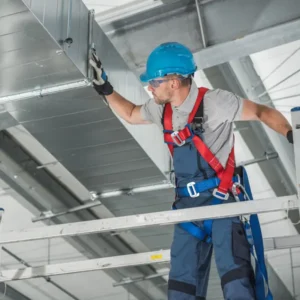
AC maintenance should include filter cleaning or replacement, coil inspection, condensate drain checks, airflow verification, thermostat performance, duct condition, and electrical connection checks. Dirty filters and blocked drain lines are simple problems, yet they regularly cause reduced cooling, water leakage, and unnecessary strain on equipment.
Plumbing inspections should go beyond obvious leaks. Check water pressure, fixture operation, drain flow, isolation valves, pipe insulation, water heater performance, and signs of corrosion around concealed connections. Restrooms and pantry areas deserve regular review because minor failures in these spaces can quickly affect hygiene and daily use.
Where a property has a swimming pool or water feature, preventive care needs a separate, documented routine. Water balance, filtration, circulation, tile condition, pump performance, and waterproofing integrity all influence safety and long-term repair costs. Delaying pool maintenance can turn a manageable service requirement into a major renovation project.
Protect the Building Envelope Before Leaks Spread
Water intrusion is one of the most damaging and avoidable property problems. It may begin at roof penetrations, failed sealant, cracked grout, deteriorated waterproofing membranes, poorly drained balconies, or wet-area joints. The visible stain is often not the source of the leak.
Inspect roofs, terraces, wet rooms, exterior joints, drainage points, and areas around HVAC penetrations before seasonal weather changes. Pay close attention after heavy rain or after nearby construction activity. Water can travel along slabs, pipes, and wall cavities, making diagnosis more technical than it appears.
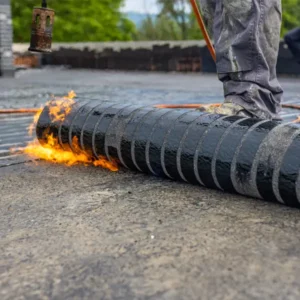
A qualified contractor should identify the source before recommending repairs. Repainting a damaged ceiling without resolving the moisture path only hides the issue temporarily. Depending on the cause, the right solution may involve sealant renewal, drainage correction, localized waterproofing repair, GRP lining, tile regrouting, or a larger membrane replacement.
Manage Repairs, Renovations, and Vendor Responsibility
A commercial property can lose time and money when separate vendors blame one another for the same issue. An AC leak may involve condensate drainage, ceiling finishes, electrical safety, and paint restoration. A restroom renovation can involve plumbing, waterproofing, tiles, sanitary ware, ventilation, and final finishing.
For this reason, many owners benefit from working with a technical partner that can coordinate multiple disciplines under one scope. Zillion Technical Services LLC supports commercial property upkeep through maintenance, MEP-related work, waterproofing, fit-outs, finishing, pool care, and general repairs, helping reduce the coordination burden on property teams.
Even with a single provider, define scope clearly. Confirm what will be inspected, repaired, supplied, tested, cleaned, and handed over. For larger work, establish the access plan, work hours, material approvals, safety controls, protection of occupied areas, and completion criteria before work starts.
Track Repeat Issues
One repair ticket is an event. Three tickets for the same location or equipment type indicate a pattern. Track repeat AC complaints, recurring leaks, repeated drain blockages, frequent lighting failures, and finish damage in high-traffic zones.
Patterns help you determine whether a repair is adequate or whether there is a root cause. The answer may be a design issue, an undersized system, incorrect material selection, poor drainage, misuse, or a maintenance interval that is too long. Treating repeated faults as isolated events is one of the fastest ways to increase reactive spending.
Balance Appearance With Long-Term Durability
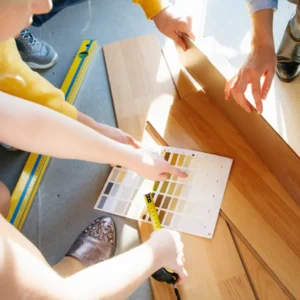
Paint, tiles, partitions, ceilings, and sanitary fixtures influence how tenants, customers, and employees judge a property. However, cosmetic work should be planned with durability in mind. High-traffic corridors need finishes that can be cleaned and touched up efficiently. Wet areas need materials and installation methods that resist moisture. Service areas may require practical, hard-wearing finishes rather than premium decorative materials.
Schedule painting, tile repairs, bathtub reglazing, and minor fit-out work before defects become widespread. Small, planned interventions often cost less and cause fewer operational interruptions than a full refresh performed under pressure. Where work must occur in occupied premises, divide the project into zones and coordinate access carefully to reduce disruption.
Measure Results and Adjust the Plan
Maintenance should produce visible operating results. Review response times, planned versus reactive work orders, repeat failures, utility trends, tenant complaints, and repair costs at regular intervals. If emergency callouts remain high, the maintenance plan may be missing critical inspections or replacement decisions.
Also review contractor reporting. A useful service report should state what was inspected, what was found, what was repaired, what materials were used, and what follow-up is recommended. Vague reports make it difficult to budget, verify quality, or identify recurring defects.
A well-maintained commercial property is not one that never needs repair. It is one where issues are identified early, work is completed correctly, and every maintenance decision supports safer, more dependable operations. Start with the systems most likely to disrupt your business, keep accurate records, and treat preventive care as a practical investment in the building’s performance.
