






A failed AC unit in peak summer, a pool pump that stops without warning, or recurring plumbing issues in a rental property all create the same problem – disruption, cost, and pressure to fix it fast. That is why many owners and facility teams ask what is included in AMC services before they commit to a maintenance contract.
In practical terms, an AMC or Annual Maintenance Contract is a structured service agreement that keeps building systems, finishes, and equipment in working condition over a fixed period, usually 12 months. The exact scope depends on the property type, the assets covered, and whether the contract is preventive only or includes repairs and replacement support. A good AMC is not just a checklist. It is a working plan for reducing breakdowns, controlling maintenance costs, and protecting asset life.
What is included in AMC services for most properties?
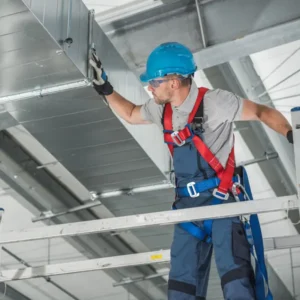
Most AMC services are built around routine inspections, preventive maintenance, fault reporting, and technical support when something stops working. In residential properties, that may focus on AC systems, plumbing, electrical fixtures, water heaters, waterproofing checks, and general upkeep. In commercial or mixed-use buildings, the scope often expands to MEP systems, pumps, lighting, common areas, pool systems, and coordinated contractor response.
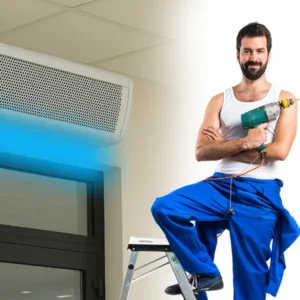
The most common inclusion is scheduled preventive maintenance. This means technicians visit at agreed intervals to inspect equipment, clean components, test performance, tighten connections, identify wear, and correct small issues before they turn into bigger failures. For HVAC, that may include filter cleaning, coil checks, thermostat testing, condensate drain cleaning, duct inspection, and airflow assessment. For electrical systems, it may include checking breakers, isolators, switches, and visible wiring conditions. For plumbing, it can involve checking leaks, water pressure, drainage flow, and fixture condition.
A second core inclusion is breakdown attendance. If a covered system fails during the contract period, the service provider sends technicians to diagnose the issue and carry out the agreed level of repair. This is where contracts can differ significantly. Some AMCs include labor only, while spare parts are billed separately. Others include both labor and selected consumables. High-value parts, specialty materials, or full equipment replacement are often excluded unless specifically written into the contract.
Preventive maintenance is the real value
Many clients focus on emergency callouts, but the real value of an AMC is preventive work. A well-maintained system usually costs less to operate and lasts longer. In the UAE climate, this matters even more because AC systems, waterproofing, pumps, and outdoor assets operate under heavy stress for much of the year.
Preventive maintenance usually follows a schedule – monthly, quarterly, biannual, or annual, depending on the asset. High-use systems such as air conditioning or swimming pool equipment may need more frequent checks than paintwork or general finishing items. The right interval depends on usage, exposure, equipment age, and the consequences of downtime.
This is also where a one-stop technical contractor adds value. Instead of calling different vendors for HVAC, pool systems, waterproofing, electrical faults, and finishing repairs, the client works through one coordinated maintenance plan. That reduces delays, miscommunication, and the common problem of one contractor blaming another.
Typical tasks covered under an AMC
The scope can vary, but most quality contracts include inspection, cleaning, testing, adjustment, minor repairs, and reporting. For AC systems, this may involve servicing indoor and outdoor units, checking refrigerant-related performance, cleaning filters and drains, and identifying weak components before they fail. For pools, it may cover pump and filter checks, circulation review, cleaning support, and equipment performance monitoring. For general building maintenance, it can include small civil repairs, sealant touch-ups, plumbing fixes, electrical troubleshooting, and sanitary fixture servicing.
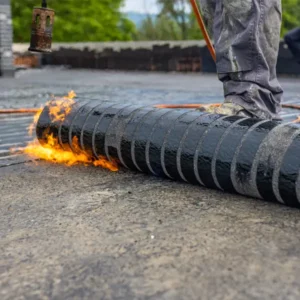
Some contracts also cover finishing and protective maintenance, especially in villas, apartment buildings, hotels, and commercial sites. That can include waterproofing inspections, roof or terrace checks, tile condition review, and paint defect identification in moisture-prone areas. These services are not always included by default, but they are often added for clients who want broader asset protection under one contractor.
A stronger AMC will also include service records. After each visit, the client should receive a report stating what was inspected, what work was completed, what issues were found, and what follow-up is recommended. This is especially useful for landlords, facility managers, and commercial operators who need maintenance visibility and service history.
What is usually not included in AMC services?
This is where many misunderstandings happen. Clients hear “maintenance contract” and assume everything is covered. In reality, exclusions are normal and should be clearly defined.
Major spare parts are often excluded unless the contract says otherwise. Compressors, motors, pumps, control boards, specialist coatings, major plumbing components, and full fixture replacement may be billed separately. Consumables may or may not be included depending on the package. Emergency work outside agreed service hours can also carry additional charges if 24/7 attendance is not part of the contract.
Renovation work is another common exclusion. An AMC is designed to maintain existing assets, not usually to upgrade them. If a bathroom needs full reglazing, a pool needs structural renovation, or a space requires a fit-out, that is typically handled as a separate project. The maintenance contractor may still carry out that work, but it will not usually fall under standard AMC pricing.
Pre-existing issues can also sit outside the agreement. If equipment is already in poor condition when the contract starts, the service provider may first recommend corrective repairs before placing that system under routine maintenance coverage. That is a fair and necessary limitation. No contractor can guarantee stable performance from assets that are already at end of life.
AMC coverage depends on the property and the package
A villa owner and a facility manager do not need the same AMC structure. In a home, the priority may be comfort, quick response, and keeping AC, plumbing, and electrical systems reliable. In a commercial building, the priority may be uptime, planned inspections, reporting, and coordinated support across multiple systems.
That is why AMC packages should be tailored. A light package may include scheduled inspections and labor for minor repairs. A more comprehensive package may include more frequent visits, faster response times, emergency support, broader system coverage, and selected materials. Neither option is automatically better. The right choice depends on risk, occupancy, equipment age, and how costly downtime would be.
For example, a holiday home with limited occupancy may not need the same visit frequency as a fully occupied residential tower or retail site. A newly renovated property may need less corrective work in the first year but still benefit from preventive servicing. An older property often needs a more realistic contract that allows for ongoing repairs and phased upgrades.
How to evaluate an AMC before signing
The best way to assess an AMC is to look beyond the headline price. Low-cost contracts can become expensive if they exclude critical labor, carry slow response times, or leave most repair items outside the scope. A dependable contract should clearly state covered systems, visit frequency, response commitments, exclusions, reporting process, and whether labor, consumables, and spare parts are included.
It also helps to ask who will perform the work. Certified technicians, proper supervision, and multi-discipline support matter more than a vague promise of maintenance. If your property relies on AC performance, waterproofing protection, pool operation, or general MEP reliability, you need a contractor that can actually deliver across those areas instead of outsourcing every issue to someone else.
Another point worth checking is escalation. If technicians identify a recurring fault, water ingress issue, failing component, or safety concern, the contractor should have a clear process for recommendation and follow-up. Good AMC service is not reactive only. It should help the client plan repairs before they become urgent.
Why AMC services matter more than many owners expect
Buildings do not usually fail all at once. They decline through small warning signs – reduced cooling, moisture stains, weak water pressure, noisy pumps, loose fittings, cracked sealant, rising energy use. AMC services create a system for catching those early signs while they are still manageable.
For property owners and operators who want fewer vendor headaches, more predictable upkeep, and better control over maintenance standards, that structure matters. A capable provider such as Zillion Technical Services LLC can centralize multiple technical needs under one contract, which is often more efficient than managing separate teams for every trade.
The right AMC should leave you with fewer surprises, better-performing assets, and a property that stays ready for the people who use it every day. That is the standard worth asking for when you review what is included in AMC services.
