








A well-maintained property needs more than regular cleaning and repairs. Painting is also an important part of maintaining the appearance and condition of a building. Over time, walls and other surfaces can fade, develop stains, crack, or lose their original finish due to daily use and environmental exposure. Professional Painting Services can help refresh these surfaces while providing an appropriate protective coating.
Whether you are maintaining a home, office, villa, retail space, or commercial property, understanding the painting process can help you plan the work more effectively. This guide covers the main types of painting, surface preparation, paint selection, maintenance, and project planning.
What Are Painting Services?
Painting Services involve preparing and coating different surfaces with suitable paints or protective finishes. Depending on the property, the work may include walls, ceilings, doors, facades, partitions, metal surfaces, and other areas.
A professional painting project generally involves several stages, including surface inspection, cleaning, repairs, preparation, priming where required, paint application, finishing, and final inspection.
The exact requirements depend on the surface condition, type of property, location, existing coating, and desired finish.
Types of Painting Services
Different properties and surfaces require different approaches. Painting work can generally be divided into several categories.
Interior Painting
Interior painting focuses on surfaces inside residential and commercial buildings. It can include walls, ceilings, corridors, offices, bedrooms, living areas, and other indoor spaces.
Important Interior Considerations
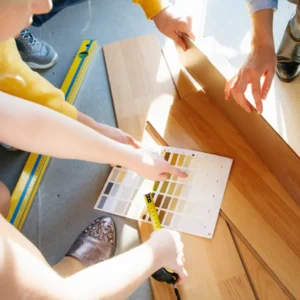
Paint selection for interiors can depend on room usage, cleaning requirements, humidity, lighting, and the desired appearance. High-traffic areas may require finishes that are easier to maintain, while decorative areas may focus more on color and finish.
Exterior Painting
Exterior painting is carried out on surfaces exposed to outdoor conditions, such as building facades, exterior walls, balconies, boundary walls, gates, and other structures.
Protecting Exterior Surfaces
Exterior surfaces are exposed to sunlight, rain, humidity, dust, and temperature changes. Choosing suitable exterior coatings and preparing surfaces correctly can help maintain the finish for longer.
Commercial Painting
Commercial painting covers offices, shops, warehouses, hotels, business premises, and other commercial properties.
Planning Commercial Projects
Commercial projects often require careful scheduling to minimize disruption to daily operations. Painting may be completed in sections or during suitable working hours depending on the property’s requirements.
Residential Painting
Residential painting includes houses, apartments, villas, and other living spaces. Homeowners may repaint their properties to refresh the appearance, address surface deterioration, or update interior and exterior finishes.
Why Proper Surface Preparation Matters
Surface preparation is one of the most important stages of any painting project. Applying paint over dust, loose coatings, cracks, or damaged surfaces can affect adhesion and the final appearance.
Cleaning and Repairing Surfaces
Before painting, surfaces may need to be cleaned to remove dust, dirt, grease, and loose particles. Cracks, holes, peeling paint, and uneven areas should also be assessed and repaired.
Common Preparation Work
Preparation can include:
Cleaning and washing surfaces
Removing loose or peeling paint
Filling cracks and holes
Sanding uneven areas
Treating stains where necessary
Applying primer where appropriate
Proper preparation creates a suitable base for the paint and can contribute to a more consistent finish.
How to Choose the Right Paint
Selecting paint involves more than choosing a color. The surface, location, environmental exposure, and maintenance requirements should all be considered.
Consider the Surface and Location
Interior walls, exterior walls, wood, and metal surfaces may require different products and preparation methods. Paint intended for exterior use should be appropriate for weather exposure, while interior products may be selected based on room usage and cleaning needs.
Consider the Finish
Paint finishes can influence both appearance and maintenance.
Common Paint Finishes
Depending on the product, options may include:
Matte
Eggshell
Satin
Semi-gloss
Gloss
The appropriate finish depends on the surface and the desired result.
How Often Should a Property Be Repainted?
There is no fixed repainting schedule that applies to every property. The required frequency depends on factors such as paint quality, surface condition, weather exposure, building usage, and maintenance.
Signs That Repainting May Be Needed
You may need to consider repainting when you notice signs such as:
Fading or discoloration
Peeling or flaking paint
Cracks and damaged surfaces
Persistent stains
Visible wear
An outdated appearance
Exterior surfaces may require more frequent attention because they are directly exposed to environmental conditions.
Steps Involved in Professional Painting
A properly planned project usually follows a sequence of steps to achieve a clean and consistent finish.
Surface Inspection
The property is inspected to identify the areas requiring painting, existing surface problems, and preparation requirements.
Surface Preparation
Surfaces are cleaned, repaired, sanded, or primed as necessary before paint is applied.
Protecting Surrounding Areas
Furniture, flooring, windows, fixtures, and other areas that are not being painted should be covered or protected appropriately.
Paint Application
The selected paint is applied using a suitable method for the surface and project requirements. Depending on the product and coverage, multiple coats may be necessary.
Final Touches and Quality Check
Once the painting work is complete, each painted area should be carefully reviewed to identify missed spots, uneven coverage, visible marks, or other finishing issues. Any necessary corrections or touch-ups can then be carried out to achieve a neat and consistent appearance before the work area is cleaned and handed over.
Benefits of Regular Painting Maintenance
Regular painting maintenance can contribute to the overall upkeep of a property.
Improves Appearance
Fresh paint can make walls, ceilings, facades, and other surfaces look cleaner and more presentable.
Helps Maintain Surfaces
Paint provides a coating over the underlying surface. Depending on the product and application, it can help protect surfaces from everyday exposure.
Supports Property Maintenance
Addressing peeling, cracking, stains, and other visible problems early can make it easier to maintain the property.
Refreshes Interior and Exterior Spaces
A new color or finish can update the appearance of residential and commercial spaces without requiring major structural changes.
How to Plan a Painting Project
A successful painting project starts with proper planning. Before work begins, property owners should consider the areas to be painted, surface preparation requirements, suitable paint products, project timing, and the overall scope of work. Clear planning helps organize the work efficiently and reduces avoidable delays during the project.
Assess the Property
Identify the areas that need painting and check whether repairs or additional preparation are required.
Define the Scope of Work
Decide whether the project covers interiors, exteriors, specific rooms, individual surfaces, or the entire property.
Create a Simple Checklist
Include:
Areas to be painted
Surface repairs
Paint type and finish
Number of coats
Preparation requirements
Protection of surrounding areas
Project schedule
Final inspection
Choose Suitable Materials and Professionals
Select paint and preparation materials based on the property’s requirements. For larger or complex projects, experienced professionals can assess the surfaces, recommend suitable methods, and complete the work using appropriate equipment.
Frequently Asked Questions About Painting Services
What is included in Painting Services?
Painting Services may include inspection, surface preparation, cleaning, repairs, priming, paint application, touch-ups, finishing, and cleanup. The scope varies according to the project.
Is surface preparation necessary before painting?
Yes. Proper cleaning, repairs, sanding, and priming where required can help improve adhesion and the overall quality of the finish.
How do I know when my property needs repainting?
Fading, peeling, cracking, stains, and visible wear are common indicators that repainting may be required.
Can commercial properties be painted while operating?
In many cases, painting can be scheduled in sections or during suitable hours to reduce disruption. The approach depends on the property and project size.
Conclusion
Painting is an important part of maintaining both the appearance and condition of a property. From interior walls and ceilings to exterior facades and commercial spaces, proper preparation, suitable materials, and careful application can contribute to a durable and attractive finish.
By understanding the different types of Painting Services, preparation requirements, paint selection, and maintenance needs, property owners can plan painting projects more effectively and keep their buildings looking well maintained.
