






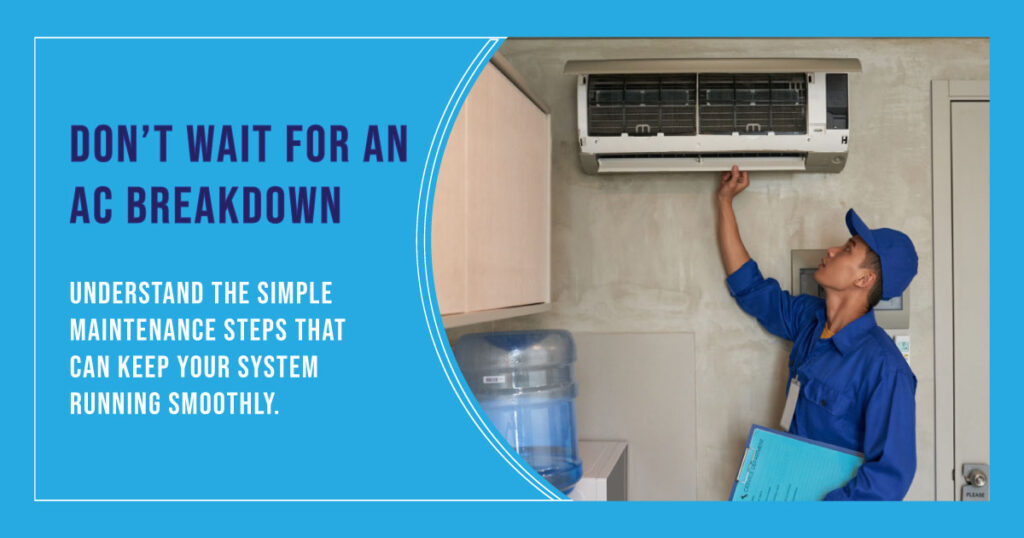
Living in Dubai means relying heavily on air conditioning for comfortable indoor temperatures throughout much of the year. Regular AC maintenance helps keep cooling systems operating efficiently, reduces the likelihood of unexpected breakdowns, and supports a longer equipment lifespan. Whether an air conditioner is installed in a home, office, retail space, or large commercial building, routine care can help maintain consistent performance and identify small problems before they become costly repairs.
Why AC Maintenance Is Important
Air conditioners work continuously in demanding environmental conditions, particularly during Dubai’s hot summer months. Dust, humidity, frequent operation, and high outdoor temperatures can place additional stress on cooling equipment.
Regular servicing allows technicians to inspect important components, clean accumulated dirt, check operating conditions, and identify signs of wear. A well-maintained system can provide more consistent cooling while avoiding some of the performance issues associated with neglected equipment.
Maintenance is also useful for understanding the condition of an air conditioning system. Instead of waiting until the unit stops working, property owners can address developing issues during scheduled inspections.
How AC Maintenance Improves System Performance
A properly maintained air conditioner generally has an easier time transferring heat and circulating cooled air. Cleaning filters, coils, and other components can help prevent restricted airflow and unnecessary strain on the system.
Maintenance can also help identify issues such as unusual sounds, refrigerant-related problems, electrical faults, drainage blockages, or worn components. Detecting these problems early may prevent them from affecting other parts of the system.
What Does Routine AC Servicing Include?
The exact maintenance procedure depends on the type, age, and condition of the air conditioning system. However, professional servicing commonly involves several important checks.
Air Filter Inspection and Cleaning
The air filter is one of the first components to collect dust, fine particles, and other airborne debris. Over time, excessive buildup can restrict the movement of air through the system, making the unit work harder to provide the required cooling.
Regularly checking the filter helps maintain proper airflow. Depending on the type of filter, operating conditions, and frequency of use, it may need to be cleaned or replaced at suitable intervals. Following the manufacturer’s recommendations is a good way to determine the appropriate maintenance schedule.
Coil Cleaning
The evaporator and condenser coils are essential for transferring heat during the cooling cycle. When dust and dirt accumulate on the coil surfaces, heat exchange can become less effective, which may influence the overall performance of the air conditioning system.
As part of routine servicing, these components can be examined for dirt buildup and cleaned when required. Maintaining cleaner coil surfaces allows the system to transfer heat more effectively and operate under normal conditions.
Condensate Drain Inspection
During the cooling process, an air conditioner removes moisture from the surrounding air. The collected water is normally directed away from the unit through a condensate drain system.
If the drain becomes clogged or develops a problem, water may accumulate around the indoor unit. This can result in leakage, dampness, or unpleasant smells. Inspecting the drain and ensuring that water can flow freely is therefore an important part of regular air conditioning care.
Electrical and Mechanical Checks
Technicians can inspect electrical connections, controls, motors, fans, and other mechanical components for visible signs of wear or abnormal operation.
Loose electrical connections or deteriorating components may affect reliability and, in some situations, create safety concerns. Identifying such issues during routine servicing allows appropriate corrective action to be considered.
Signs Your Air Conditioner May Need Servicing
An air conditioner does not always fail suddenly. Often, changes in performance appear gradually.
Common warning signs include:
- Reduced cooling performance
- Uneven temperatures between rooms
- Weak airflow from vents
- Unusual noises or vibrations
- Water leaking from the indoor unit
- Persistent unpleasant odors
- Frequent cycling on and off
- Unexpected increases in electricity consumption
- The system taking longer than usual to reach the desired temperature
These symptoms can have different causes, so professional inspection may be necessary to determine the underlying issue.
How Often Should an Air Conditioner Be Serviced?
There is no single maintenance schedule suitable for every property. Usage, equipment type, operating conditions, indoor air quality, and the age of the system all influence how frequently servicing is appropriate.
Air conditioners used for long hours in commercial environments may require more frequent attention than systems used occasionally in residential properties. In Dubai, where cooling systems can operate extensively during hot periods, establishing a regular inspection schedule can be particularly useful.
Property owners should also follow the manufacturer’s recommendations regarding inspection, cleaning, and component replacement.
AC Maintenance and Energy Efficiency
An air conditioner that is dirty, restricted, or experiencing mechanical problems may consume more energy while attempting to maintain the required temperature.
Routine maintenance does not guarantee a specific reduction in energy consumption, but it can help the system operate closer to its intended condition. Clean filters, unobstructed airflow, properly functioning components, and suitable refrigerant conditions all contribute to effective operation.
Energy efficiency also depends on factors such as insulation, thermostat settings, building design, equipment capacity, and outdoor temperatures.
Preventive Care for Different Types of Properties
AC Maintenance for Homes
Residential air conditioners benefit from regular filter cleaning, coil inspection, drain checks, and general performance assessments. Homeowners should pay attention to changes in cooling, airflow, noise, and water drainage.
AC Maintenance for Offices
Office systems may experience long operating hours and varying occupancy levels. Regular servicing can help maintain comfortable indoor conditions and reduce disruptions caused by unexpected equipment problems.
AC Maintenance for Commercial Buildings
Larger properties often have multiple air conditioning units or centralized HVAC systems. Maintenance may involve inspecting different components, monitoring system performance, and coordinating servicing schedules to minimize disruption to building occupants.
Simple AC Care Tips for Property Owners
Professional servicing is important, but property owners can also take several basic steps between inspections:
- Keep indoor and outdoor units free from unnecessary obstructions.
- Check and clean accessible filters according to manufacturer instructions.
- Avoid blocking supply and return air vents.
- Pay attention to unusual sounds, smells, or changes in cooling.
- Do not ignore water leakage or repeated system shutdowns.
- Keep outdoor condenser areas reasonably clear of debris.
- Arrange professional inspection when performance changes noticeably.
These simple practices can support normal system operation and help identify potential issues earlier.
Frequently Asked Questions
What is AC maintenance?
AC maintenance is the routine inspection, cleaning, testing, and adjustment of air conditioning equipment. It is intended to keep the system operating properly, identify developing problems, and support reliable cooling.
How often should an AC system be maintained?
The appropriate frequency depends on equipment type, usage, environmental conditions, and manufacturer recommendations. Systems operating for long periods may require more frequent inspections than lightly used residential units.
Can regular servicing improve AC cooling?
Routine servicing can help maintain cooling performance by addressing issues such as dirty filters, restricted airflow, dirty coils, drainage problems, and component wear. However, cooling performance can also be affected by equipment capacity, insulation, refrigerant conditions, and building design.
Why is my AC running but not cooling properly?
Possible causes include a dirty filter, blocked airflow, dirty coils, refrigerant-related issues, thermostat problems, or mechanical faults. A professional inspection can help determine the specific cause.
Does AC maintenance reduce electricity consumption?
Proper maintenance can help an air conditioner operate efficiently by keeping key components clean and functioning correctly. However, actual energy consumption depends on several factors, including equipment efficiency, usage patterns, building conditions, and outdoor temperature.
Is professional AC servicing necessary?
Professional servicing is recommended because routine cleaning alone may not reveal underlying issues within an air conditioning system. A trained technician can examine the unit’s electrical connections, mechanical parts, refrigerant system, drainage, controls, and overall operating condition. Regular professional checks can help identify developing problems early and ensure that the system continues to function safely and reliably.
Conclusion
Regular care plays an important role in keeping air conditioning systems dependable, particularly in climates where cooling equipment operates for extended periods. Cleaning, inspection, airflow checks, drainage assessment, and timely attention to unusual performance can help maintain comfortable indoor conditions and reduce the risk of avoidable problems. A consistent maintenance approach also makes it easier to understand the condition of an air conditioning system and plan repairs or component replacement when necessary.

Pingback: Residential Maintenance Contract Checklist - zillion
Pingback: Fan Coil Versus VRF: Which System Fits Best? - zillion
Pingback: Duct Cleaning Service Review for Property Owners - zillion
Pingback: Facility Management Versus Maintenance Explained - zillion