



A commercial building rarely fails all at once. More often, the warning signs show up quietly – uneven cooling, recurring plumbing complaints, stained ceilings, flickering lights, cracked sealant, rising utility bills, or equipment that needs repeated minor repairs. That is exactly why preventive maintenance for commercial buildings matters. It shifts maintenance from reactive firefighting to planned control, helping property owners and facility managers protect operations, budgets, and tenant satisfaction.
For offices, retail spaces, mixed-use properties, warehouses, and hospitality sites, the real cost of poor upkeep is not limited to one repair invoice. It spreads into business interruption, shortened equipment life, safety concerns, poor indoor comfort, and a building that starts looking older than it is. In a market where reliability and presentation both matter, waiting for things to break is an expensive strategy.
What preventive maintenance for commercial buildings actually covers
Preventive maintenance is the scheduled inspection, servicing, adjustment, and repair of building systems before major failure happens. It is not just a checklist for air conditioning units. In a well-managed property, it covers HVAC, electrical systems, plumbing, drainage, waterproofing, pumps, water heaters, lighting, finishes, pool systems where applicable, and common-area elements that affect daily operations.
The scope depends on the type of building. A retail property may need heavier attention on cooling performance, lighting, restrooms, and storefront presentation. A residential tower may place more focus on water systems, pumps, common-area AC, waterproofing, and amenity maintenance. An industrial or service facility may prioritize electrical reliability, ventilation, drainage, and equipment support areas. The principle stays the same: inspect early, service on schedule, and correct small defects before they become disruptive failures.
Why reactive maintenance costs more over time
Reactive maintenance can feel cheaper in the short term because you only spend when something breaks. In practice, it usually creates higher total cost. Emergency callouts are more expensive, replacement parts may be needed urgently, and breakdowns tend to affect surrounding systems. A neglected AC issue can strain compressors, raise energy use, and create comfort complaints across multiple zones. A small roof or waterproofing failure can turn into damaged finishes, mold risk, and tenant disruption.
There is also the labor cost of coordination. When every issue is handled as a separate emergency, managers spend more time chasing approvals, vendors, access windows, and repeat visits. That time has a real operating cost, especially across larger properties or portfolios.
Preventive maintenance does not eliminate every repair. Buildings age, components fail, and usage patterns change. What it does is reduce avoidable failures, improve planning, and give operators a clearer view of upcoming needs.
The systems that deserve the closest attention
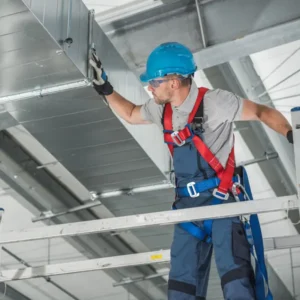
HVAC is usually the first place to focus. In hot climates and high-occupancy buildings, air conditioning works hard and often runs for long hours. Dirty filters, clogged coils, low refrigerant, blocked drains, and poorly performing ductwork all affect comfort and efficiency. If left unattended, they also increase wear on major equipment.
Electrical systems need the same discipline. Loose connections, overloaded circuits, aging fixtures, and inconsistent panel maintenance can lead to nuisance outages or safety concerns. Preventive work here is less visible than repainting a wall, but it has a much greater impact on continuity.
Plumbing and drainage are often underestimated until there is leakage, odor, or water damage. Routine checks on valves, pumps, pipes, drainage lines, and sanitary fixtures help avoid shutdowns and complaints. In buildings with public or high-use restrooms, this matters even more because service quality is judged quickly.
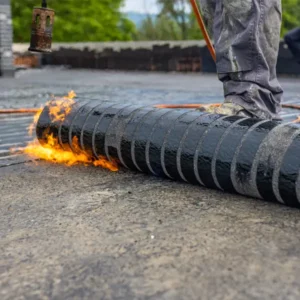
Building envelope items also deserve regular attention. Waterproofing failures, deteriorated sealants, cracked tiles, damaged paint, and worn surfaces may look cosmetic at first, but they can signal deeper moisture or durability issues. Preventive maintenance is not only about mechanical systems. It is also about preserving the condition and service life of the physical asset.
How to build a maintenance plan that works
A useful maintenance plan starts with the asset register. That means knowing what equipment and systems exist, where they are located, what condition they are in, and what service intervals they require. Without that foundation, schedules tend to be inconsistent and reactive.
The next step is prioritization. Not every component needs the same frequency or attention level. Critical systems – such as AC, electrical infrastructure, pumps, and water-related systems – should sit at the top because they affect operations immediately. Lower-risk items can be scheduled less aggressively, but they should still be tracked.
A strong plan also reflects how the building is actually used. A lightly occupied office floor and a busy restaurant unit cannot follow identical maintenance logic. Occupancy patterns, operating hours, environmental exposure, and tenant expectations should shape service intervals.
Documentation matters more than many teams expect. Service records, inspection findings, recurring fault history, and replacement dates help identify patterns. If a pump keeps failing, the issue may not be the pump alone. It may be related to controls, power quality, pressure conditions, or missed servicing. Good records turn isolated incidents into actionable decisions.
Preventive maintenance and energy performance
Many owners start maintenance programs to reduce breakdowns, then realize the energy savings are just as valuable. A neglected building consumes more energy than a well-maintained one. Dirty AC filters and coils force systems to work harder. Uncalibrated controls overcool or overheat spaces. Water leaks increase pumping demand and create hidden waste. Faulty lighting or outdated fixtures add unnecessary load.
That does not mean every maintenance program needs major capital upgrades from day one. Often, the first gains come from basic corrective work done consistently. Cleaning, balancing, sealing, testing, and tuning can produce measurable improvements before larger replacement decisions are made.
This is where a one-stop technical partner can make a practical difference. When HVAC, electrical, plumbing, waterproofing, finishing, and general maintenance are managed in coordination, building performance is easier to track and service gaps are less likely to slip through.
The value of annual maintenance contracts
For many commercial properties, annual maintenance contracts bring needed structure. Instead of arranging separate visits whenever a problem appears, the property follows a defined schedule for inspections, servicing, and response. That predictability helps with budgeting and reduces missed maintenance windows.
An AMC is not automatically the right fit in the same form for every site. A single small office may need a lighter scope than a residential building, a retail center, or a property with pools, pumps, and extensive common-area systems. The right contract should match the building, not the other way around.
The best contracts are clear about coverage, response expectations, exclusions, reporting, and escalation for additional work. Vague agreements often create friction later. Facility managers should know exactly what is included in routine service and what triggers a separate recommendation.
Common mistakes property teams make
One common mistake is treating maintenance as a cost center only. That view usually delays necessary work until failures become visible. A better approach is to treat maintenance as asset protection and operational risk control.
Another mistake is focusing only on major equipment while neglecting supporting elements such as drainage, sealants, access panels, grouting, and finishes exposed to water or heat. Small failures in these areas often create larger consequences.
There is also a coordination problem on many sites. Different contractors may service different systems without sharing findings, so root causes remain unresolved. If AC drainage is causing moisture damage, and a separate contractor keeps repainting the same wall, the spending continues but the issue stays. An integrated maintenance approach is usually more efficient.
Choosing the right service partner
Commercial maintenance depends on more than technical skill alone. Responsiveness, documentation, scheduling discipline, and the ability to handle multiple trades matter just as much. Property owners and managers need a partner that can move from inspection to action without creating unnecessary delays.
That is particularly true for buildings with mixed needs – HVAC support, waterproofing, painting, plumbing, MEP works, pool care, and small renovation items often overlap in real operating environments. Companies such as Zillion Technical Services LLC are built around that one-stop model, which can simplify vendor management and improve continuity across the property.
The right provider should also be realistic. Not every issue needs urgent replacement, and not every aging component should be stretched beyond reason. Good maintenance advice balances repair, monitoring, and replacement based on risk, cost, and operational impact.
Preventive maintenance works best when it becomes part of how a building is managed, not just a task completed when a reminder appears. A property that is inspected regularly, serviced properly, and corrected early stays easier to operate, easier to budget, and easier to trust. For commercial buildings, that kind of consistency is not a luxury. It is what keeps the asset performing day after day.
