



A failed AC unit during business hours, a leaking restroom line, or water entering through a roof is not a minor repair issue. It can disrupt staff, customers, inventory, and revenue. The best commercial maintenance services prevent these problems from becoming operational emergencies while giving facility teams one accountable point of contact.
For commercial properties in Dubai and across the UAE, maintenance decisions also need to account for extreme heat, heavy AC demand, high humidity, water exposure, and the constant wear of occupied spaces. A provider may appear capable on paper, but the right choice comes down to technical coverage, response discipline, workmanship, and the ability to manage recurring work without repeated follow-up.
1. Confirm the provider can support your actual building systems
Commercial maintenance is not a single service. An office, retail outlet, warehouse, restaurant, school, or mixed-use building has a different combination of critical assets. Before comparing quotations, define what must be maintained, repaired, or upgraded.
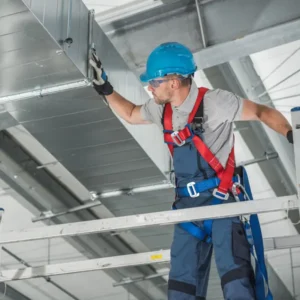
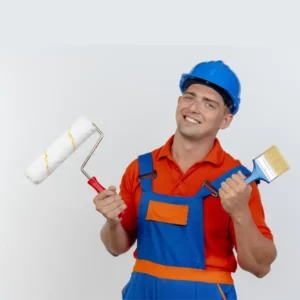
For many facilities, that scope includes HVAC and ductwork, electrical and plumbing support, painting and finishing, waterproofing, tile repairs, sanitary fixture work, and general corrective maintenance. Properties with pools, wet areas, roofs, or specialized finishes may also require pool servicing, GRP lining, bathtub reglazing, or renovation support.
A provider with broad technical coverage can reduce the burden of coordinating multiple contractors. That does not mean one company must perform every specialized task internally. It does mean the contractor should clearly own the work, coordinate qualified specialists where needed, and maintain consistent quality control from inspection through handover.
Ask for a service matrix rather than relying on a general statement that a company provides “maintenance.” It should show the systems covered, available service frequency, exclusions, emergency procedures, and whether materials, access equipment, testing, and disposal are included.
2. Assess preventive maintenance, not just repair capability
A contractor who can arrive quickly for a breakdown is valuable. A contractor who identifies deterioration before a breakdown is often more valuable. Reactive repairs can restore operation, but they rarely address the planning, asset life, and cost-control concerns of a commercial facility.
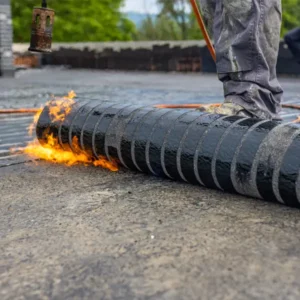
Preventive maintenance should be scheduled around equipment condition and operating demand. AC systems may need filter cleaning, coil checks, drain-line inspection, airflow verification, and refrigerant-related diagnostics. Plumbing inspections should look for slow leaks, pressure issues, damaged seals, and drainage concerns before they affect occupied areas. Waterproofing needs periodic attention around roof penetrations, wet areas, joints, and surfaces exposed to standing water.
The best maintenance programs document what was inspected, what was found, what was corrected, and what requires future action. That record helps facility managers prioritize capital repairs, explain decisions to owners, and avoid repeating the same callout without resolving the root cause.
An annual maintenance contract can be the right model when a site needs regular visits and predictable support. However, an AMC is only useful when the visit schedule, included labor, response times, consumable parts, and emergency-call provisions are clearly defined. A low monthly price can become costly if essential work is treated as an extra on every visit.
3. Check response times and escalation procedures
Commercial downtime has different consequences depending on the property. A comfort issue in a lightly used office may be manageable for a few hours. Loss of cooling in a retail store, restaurant kitchen, clinic, server room, or fully occupied workspace may require immediate action. The service level must reflect the risk.
Ask providers how they classify urgent, high-priority, and routine requests. A dependable contractor should be able to explain who receives the call, how a technician is assigned, what response window applies, and when a supervisor becomes involved. Twenty-four-hour availability is useful only if there is a real dispatch process behind it.
Also ask how the company handles repairs that cannot be completed on the first visit. Some issues require replacement parts, approvals, specialist equipment, or access outside business hours. The provider should communicate the temporary solution, expected lead time, quotation requirements, and next action without leaving the client to chase updates.
4. Verify technician capability and site discipline
Commercial maintenance work is performed in active environments. Technicians may be working around staff, customers, tenants, stock, sensitive equipment, or restricted areas. Technical knowledge matters, but so do punctuality, safety awareness, cleanliness, and communication.
Look for a company that assigns trained technicians to the appropriate trade rather than treating every issue as general handyman work. An AC fault may involve controls, drainage, electrical connections, airflow, or mechanical components. Waterproofing failures may stem from poor surface preparation, damaged membranes, failed joint treatment, or drainage design. Correct diagnosis protects the property from repeated patchwork repairs.
Site discipline should include proper tools, protective measures for surrounding finishes, safe work practices, cleanup, and a clear sign-off process. For occupied commercial spaces, work scheduling is equally important. A provider should be willing to plan disruptive activities, such as painting, tile replacement, duct work, or renovations, around your operating hours where practical.
5. Compare scope and value, not the lowest quotation
The lowest quotation can be attractive, especially when maintenance budgets are under pressure. Yet price comparisons are unreliable when each provider is quoting a different scope. One proposal may include inspection, labor, travel, minor materials, reporting, and emergency support. Another may cover only labor during standard hours.
Review quotations line by line. Confirm the number of scheduled visits, labor limits, callout charges, material markups, testing requirements, after-hours rates, exclusions, and warranty terms. For project work, clarify whether surface preparation, protection, demolition, debris removal, access equipment, and final finishing are included.
A good contractor will explain where an economical repair is appropriate and where a more durable solution is justified. For example, repeatedly sealing a leak may cost less today, but a proper waterproofing repair may reduce damage to ceilings, finishes, and adjacent units. The right decision depends on the condition of the asset, the likely failure risk, and the expected period of occupancy.
6. Make reporting part of the service standard
Maintenance without reporting makes it difficult to manage performance. Facility managers need evidence that work was completed, records of recurring issues, and visibility into recommendations that could affect budgets or operations.
At a minimum, service reports should identify the location, issue, inspection findings, work completed, parts used, and technician recommendations. Photographs are especially useful for concealed leaks, roof defects, duct conditions, pool finishes, and renovation progress. For recurring contracts, periodic reports can highlight open items and help separate urgent corrective work from planned improvements.
Reporting also strengthens accountability. If an AC unit continues to trip or a water leak returns, historical service records show whether the root cause was investigated and whether earlier recommendations were deferred. This helps owners make informed decisions rather than relying on assumptions during an emergency.
7. Choose a partner that can handle maintenance and improvement work
Commercial buildings change over time. A tenant fit-out may require new partitions, tile work, painting, plumbing modifications, or air curtain installation. Aging wet areas may need waterproofing, sanitary ware replacement, or surface restoration. Pool areas may require renovation alongside their regular maintenance program.
Working with separate contractors for each task can slow approvals and create gaps between trades. A full-service technical contractor can coordinate maintenance, repairs, and smaller upgrade projects under one management structure. This improves continuity because the team already understands the property, previous repairs, access requirements, and operating constraints.
Zillion Technical Services LLC supports this approach with technical maintenance, MEP-related services, finishing work, waterproofing, pool care, and renovation support for commercial and residential properties across the UAE. For clients, the practical benefit is fewer vendors to manage and clearer responsibility for the condition of the property.
A better maintenance decision starts with a site review
Before signing a contract, request a site review that focuses on the assets most likely to affect operations. Share known pain points, past service records, occupancy schedules, and any planned renovation work. A capable provider will use that information to recommend a realistic maintenance scope instead of offering a generic package.
The best commercial maintenance services are not simply the ones that promise the fastest fix. They are the ones that keep critical systems operating, communicate clearly when conditions change, and give your facility a practical plan for reliable performance over time.

Pingback: When a Bathtub Reglazing Service Makes Sense - zillion
Pingback: How to Waterproof Bathroom Walls Properly - zillion