






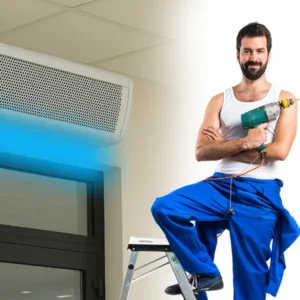

A failed air-conditioning unit during peak summer, a water leak affecting occupied offices, or an unmaintained pool forcing a closure can cost far more than the repair invoice. The real decision behind an annual maintenance contract vs on demand service is whether your property is maintained before issues disrupt comfort, operations, and tenant confidence – or repaired only after they do.
For homeowners, landlords, facility managers, and commercial operators, neither option is automatically right. The better choice depends on the property’s systems, occupancy, operating hours, budget planning, and tolerance for downtime. Understanding the difference helps you invest in maintenance that supports long-term asset performance rather than reacting to repeated failures.
Annual Maintenance Contract vs On-Demand Service
An annual maintenance contract, commonly called an AMC, is an ongoing agreement for scheduled inspections, preventive servicing, and defined repair support over a set period, usually one year. The exact scope varies by property and service category. An AMC may cover AC servicing, plumbing checks, electrical inspections, swimming pool care, general maintenance visits, and emergency response according to agreed terms.
On-demand service is requested only when a problem occurs or when a specific project is needed. A customer contacts a contractor for a leaking pipe, AC fault, painting work, damaged tile, waterproofing repair, bathtub reglazing, or another defined task. The contractor assesses the requirement, provides a quotation, and completes the approved work.
The difference is not simply scheduled work versus emergency work. It is a difference in how a property manages risk. An AMC creates a planned maintenance routine, while on-demand service offers flexibility for isolated needs.
What an Annual Maintenance Contract Delivers
The core value of an AMC is prevention. Technical systems rarely fail without warning. Dirty AC filters reduce airflow, blocked drain lines can cause leaks, worn electrical connections may generate heat, and minor waterproofing defects can allow moisture to damage finishes over time. Routine inspections identify these conditions when the remedy is usually simpler and less expensive.
For properties in Dubai and across the UAE, preventive maintenance is particularly relevant. High temperatures place sustained demand on air-conditioning equipment. Dust affects filters, ducts, and outdoor units. Pools, pumps, water systems, and external finishes also need consistent attention to remain safe, clean, and functional.
A well-defined AMC gives the owner or facility manager a predictable maintenance calendar. Instead of remembering when an AC system was last serviced or calling multiple vendors when issues appear, the contractor organizes planned visits and maintains service records. This is especially useful for villas, residential buildings, restaurants, offices, retail units, warehouses, and properties with multiple technical assets.
An AMC can also improve response coordination. When a contractor already understands the site, equipment history, access procedures, and recurring concerns, technicians can diagnose issues faster. That familiarity matters when an AC fault affects customers, a plumbing issue threatens finishes, or a pool problem requires immediate attention.
Predictable planning, not unlimited repairs
An annual contract does not necessarily mean every part, repair, or upgrade is included at no additional cost. Consumables, replacement components, major corrective works, specialist testing, and renovation projects may be quoted separately. The contract should clearly state what is included, how often visits occur, response expectations, labor coverage, and exclusions.
This clarity protects both parties. Property managers can forecast routine maintenance costs, while the contractor can assign the appropriate technicians, tools, and time to maintain the property correctly.
When On-Demand Service Is the Better Fit
On-demand maintenance is a practical option for properties with limited equipment, low occupancy, or infrequent technical requirements. A newly renovated apartment, a small vacant unit, or a property owner with one specific repair may not need a comprehensive annual agreement.
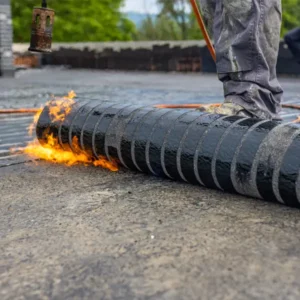
It is also appropriate for discrete project work. Replacing damaged tiles, repainting an office, installing an air curtain, repairing a localized waterproofing problem, renovating a swimming pool, or completing a fit-out requires a project-based scope rather than routine maintenance visits. In these situations, customers benefit from a clear quotation tied to the required work.
The advantage is flexibility. You pay for the work you request and can choose services as needs arise. If the property has few recurring issues and the owner is comfortable coordinating repairs, this approach can keep short-term spending low.
The trade-off is that costs and response times may be less predictable. A problem may occur outside normal working hours, during a high-demand season, or after a small fault has grown into a larger repair. The contractor may also need time to inspect the property, source materials, and understand previous work before proceeding.
Comparing Cost Beyond the Service Call
The lowest immediate price does not always produce the lowest annual maintenance cost. On-demand work can appear less expensive because there is no recurring contract fee. However, reactive repairs can involve emergency attendance, repeated callouts, consequential damage, equipment inefficiency, and interruption to occupants or business operations.
Consider an AC system that receives no scheduled cleaning or inspection. Reduced airflow and poor heat exchange can increase energy use while placing added strain on components. If the unit later fails during summer, the cost may include urgent diagnosis, replacement parts, tenant complaints, lost staff productivity, or disruption to customers.
An AMC shifts part of that risk into a planned operating expense. It does not eliminate breakdowns, but it reduces the likelihood that avoidable issues remain unnoticed. The value is strongest where a failure has a significant consequence, such as an occupied building, customer-facing business, rental property, or facility with multiple systems.
A useful way to compare options is to consider four factors: the cost of downtime, the age and condition of equipment, the number of systems requiring care, and the internal time spent coordinating vendors. If each repair requires separate calls to AC, plumbing, electrical, pool, painting, and waterproofing contractors, a one-stop maintenance partner can reduce administrative effort as well as technical risk.
How to Choose the Right Maintenance Model
Start with the property’s actual operating needs. A family villa with several AC units, a swimming pool, water pumps, bathrooms, and exterior finishes has recurring maintenance demands that often justify an AMC. The same applies to commercial sites where comfort, hygiene, safety, and uninterrupted operation influence customer experience.
Next, review the maintenance history. Frequent AC callouts, recurring leaks, repeated electrical faults, or ongoing pool water-quality issues are signs that reactive servicing may no longer be cost-effective. These issues should be addressed through inspection and corrective work, then supported with a preventive schedule.
For landlords, response expectations deserve close attention. A tenant’s report of a leak or AC failure cannot always wait for a convenient appointment. An annual agreement with defined support procedures can help protect the property, reduce tenant frustration, and maintain the condition of finishes and equipment.
For facility managers, the scope should match the site rather than follow a generic package. A warehouse may need different attention from a restaurant, office, retail store, or residential tower. Ask for a site assessment that identifies critical assets, service frequencies, likely exclusions, and the escalation process for urgent issues.
Questions to ask before signing an AMC
Before choosing a contractor, confirm the practical details. Ask which systems and visits are included, whether emergency attendance is available, how repair approvals are handled, and whether labor and replacement materials are covered differently. You should also understand the technician qualifications, reporting process, service hours, and whether the contractor can manage related works when larger repairs or upgrades are required.
A strong maintenance arrangement should not create confusion when a fault occurs. It should provide a clear point of contact, documented scope, competent technicians, and a process that keeps decisions moving.
A Hybrid Approach Often Makes Sense
Many properties benefit from a combination of both models. An AMC can cover recurring essentials such as AC servicing, plumbing and electrical checks, pool maintenance, and general inspections. On-demand work can then handle renovation, replacement, cosmetic upgrades, major waterproofing, fit-outs, and other specialized projects outside the contract scope.
This approach maintains routine control without forcing every service requirement into one agreement. It is particularly effective for property portfolios, where managers need regular upkeep across sites but still require flexibility for tenant turnover, refurbishment, and unexpected capital works.
Zillion Technical Services LLC supports this model by bringing multiple technical disciplines under one service partner. Rather than separately coordinating HVAC support, finishing repairs, pool care, waterproofing, and general maintenance, property stakeholders can organize routine and project-based requirements through a coordinated team.
The right choice is the one that keeps your property dependable without paying for support you do not need. If failures are disruptive, systems are heavily used, or vendor coordination consumes valuable time, a carefully scoped AMC is usually the smarter operating decision. If your need is isolated, project-based, or infrequent, on-demand service remains a sensible option. Begin with an honest assessment of your assets and risks, then select a maintenance plan that keeps small issues from becoming expensive interruptions.
