


A building can look finished while critical systems are already under strain. An air-conditioning unit may be cooling unevenly, a pump may be losing pressure, or an electrical circuit may be carrying more load than it should. These issues often begin as minor inconveniences, but in Dubai’s demanding climate, they can quickly affect comfort, energy use, safety, and business continuity. Professional mep contracting services bring mechanical, electrical, and plumbing work under one accountable technical scope, helping property owners address problems before they become expensive disruptions.
For homeowners, landlords, facility managers, and commercial operators, the value is practical: fewer contractors to coordinate, clearer responsibility, and technical work planned around the way the property is actually used. Whether the need is a new installation, renovation support, corrective repair, or an annual maintenance arrangement, the quality of MEP work has a direct effect on how reliably a building performs.
What MEP Contracting Services Cover
MEP stands for mechanical, electrical, and plumbing. These are the working systems behind a property’s daily operation. They are not isolated trades. Air-conditioning performance can be affected by electrical supply, condensate drainage, duct condition, insulation, and control settings. Water pressure may depend on pumps, tank condition, pipework, valves, and electrical connections. A contractor must understand how these systems interact before recommending a repair or upgrade.
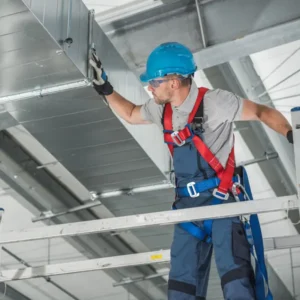
Mechanical work commonly includes AC installation, servicing, ductwork, ventilation, exhaust systems, air curtains, pumps, and related equipment. In UAE properties, AC maintenance is especially critical because cooling systems operate under long running hours and high outdoor temperatures. Poor airflow, blocked filters, refrigerant concerns, leaking ducts, or neglected drainage can reduce comfort while increasing power consumption.
Electrical services can include fault finding, wiring, lighting, distribution boards, power points, equipment connections, and load-related upgrades. Safe electrical work requires proper inspection and execution, particularly in commercial facilities where equipment loads, operating hours, and safety expectations may be higher than in a residential unit.
Plumbing work covers water supply, drainage, sanitary fixtures, pumps, valves, bathroom connections, and leak repairs. Water leaks are not always visible. A small hidden leak can damage finishes, affect neighboring units, encourage mold growth, and create ongoing water waste. Timely diagnosis protects both the building fabric and the people using the space.
Why One MEP Contractor Makes a Difference
When separate vendors handle AC, electrical, plumbing, waterproofing, and finishing work, responsibility can become unclear. One contractor may identify an issue but point to another trade for the cause. The result is delayed decisions, repeated visits, and repairs that address a symptom instead of the actual failure.
A coordinated MEP contractor can assess the wider condition of the affected area. If a bathroom ceiling has water damage, for example, the right response is not only repainting the surface. The contractor should check the plumbing source, drainage connections, waterproofing condition, and any electrical risk before restoring the finish. This approach reduces rework and produces a more durable result.
Centralizing technical services also helps property managers plan work more efficiently. Preventive maintenance, repair records, replacement recommendations, and renovation requirements can be reviewed as part of one property plan rather than through disconnected service calls. For multi-unit buildings, retail locations, offices, villas, and industrial facilities, this can save significant administrative time.
The Cost of Delaying Technical Work
Waiting until equipment fails is rarely the lowest-cost strategy. Emergency repairs tend to happen at inconvenient times, may require urgent parts procurement, and can interrupt tenants, customers, staff, or residents. A failed AC system during peak summer, a plumbing blockage in an occupied property, or an electrical fault affecting operations can create costs beyond the repair invoice.
Preventive MEP maintenance focuses on condition rather than crisis. Technicians inspect equipment, test operational performance, clean and service components where required, identify early wear, and report concerns that need planned action. This does not mean every asset must be replaced at the first sign of age. Well-maintained equipment can often continue performing effectively. The correct decision depends on its condition, repair history, energy use, availability of parts, and the consequences of unexpected failure.
For landlords, planned technical upkeep supports tenant satisfaction and protects the value of the property. For businesses, it helps reduce operational downtime. For homeowners, it provides more predictable comfort and avoids the frustration of urgent repairs during the hottest or busiest periods.
MEP Support During Renovation and Fit-Out Work
Renovation is one of the most common points where MEP coordination is overlooked. Moving a wall, installing new cabinetry, changing a bathroom layout, or adding equipment can affect concealed wiring, drainage routes, ventilation, AC distribution, and power demand. A finish may look excellent on handover day but create long-term access or performance problems if the technical work beneath it was not properly planned.
Before renovation work begins, the contractor should review the existing systems and the intended use of the space. A kitchen upgrade may require additional electrical capacity. A bathroom renovation may need drainage adjustments, waterproofing, sanitary ware installation, and ventilation review. A retail or office fit-out may need lighting changes, AC duct modifications, power distribution, and equipment connections coordinated in the correct order.
This is where a contractor with broader technical coverage provides a practical advantage. MEP work can be coordinated with painting, tiling, waterproofing, GRP lining, pool renovation, and general maintenance so that completed finishes are not unnecessarily opened again for unresolved services. Zillion Technical Services LLC supports this type of integrated scope for residential, commercial, and industrial properties across Dubai and the UAE.
What a Reliable MEP Scope Should Include
A dependable service arrangement begins with a clear understanding of the property and its priorities. Not every building requires the same level of coverage. A villa may need regular AC servicing, plumbing checks, pool maintenance, and occasional repair support. A commercial property may need scheduled inspections, faster response expectations, equipment documentation, and work planned outside operating hours.
The scope should clearly identify the assets covered, service frequency, response process, exclusions, reporting requirements, and approval method for repairs or replacement parts. Clarity protects both the client and contractor. It prevents assumptions about what is included and allows maintenance budgets to be managed more accurately.
Qualified technicians also matter. MEP systems require trade knowledge, safe work practices, appropriate tools, and the ability to diagnose rather than guess. A low initial quotation can become costly if the work is incomplete, uses unsuitable materials, or causes repeat failures. The best value is not simply the lowest price. It is work completed correctly, with accountability for the result and a realistic plan for ongoing care.
Choosing the Right MEP Contracting Partner
Start by looking for a contractor that can explain the problem in clear operational terms. Technical language has its place, but clients should understand what has failed, why it happened, what options are available, and how each option affects cost, downtime, and expected service life.
Experience across multiple disciplines is especially useful when the project involves more than a single repair. A contractor handling AC, electrical, plumbing, waterproofing, finishing, and general maintenance can coordinate sequencing and reduce the need for separate site supervision. However, broad service coverage should still be supported by competent specialists for each trade.
Responsiveness is another practical factor. A maintenance partner should be prepared to support urgent issues while also helping clients move away from an emergency-only approach. Around-the-clock availability is valuable, but planned inspections and honest condition reporting are what reduce the number of urgent calls over time.
Finally, consider whether the contractor is focused on a one-time job or the long-term performance of the property. The right partner will not recommend unnecessary work, but will identify risks early enough for the client to make informed decisions.
Build Reliability Into the Property Plan
Buildings perform better when technical maintenance is treated as part of normal property management rather than a reaction to failure. Start with the systems that most affect comfort, safety, and daily operations, then create a practical schedule for inspection, servicing, repairs, and upgrades. A well-managed MEP plan gives owners and managers more control over costs, fewer surprises, and greater confidence that the property is ready for the demands placed on it.
