




A production line does not need a major failure to lose money. A leaking pipe, weak airflow, worn electrical connection, damaged floor coating, or neglected drainage point can slow operations long before equipment stops completely. Industrial technical maintenance gives facility teams a disciplined way to find and correct these issues before they affect output, safety, or asset life.
For industrial property owners and facility managers, maintenance is not simply a repair expense. It is a practical control system for keeping MEP services, work areas, utility spaces, and specialized surfaces ready for daily use. The right maintenance partner helps reduce unplanned disruptions while giving management a clear view of site condition and upcoming work.
What Industrial Technical Maintenance Covers
Industrial facilities depend on connected systems. Air conditioning affects equipment rooms and workforce comfort. Plumbing and drainage protect hygiene and prevent water damage. Electrical components support lighting, machinery, and essential services. Waterproofing, flooring, coatings, and structural finishes protect the building itself from harsh use and climate exposure.
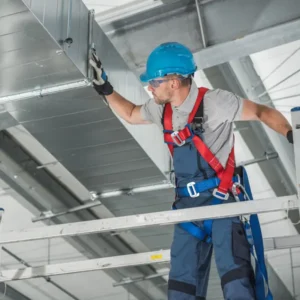
Industrial technical maintenance brings these requirements into one coordinated scope. Depending on the facility, the work can include HVAC inspection and servicing, duct cleaning or repair, electrical checks, plumbing repairs, water tank and drainage maintenance, painting, waterproofing, GRP lining, tile repairs, and general civil works. It may also include renovation or fit-out support when a warehouse, workshop, staff area, or operational unit needs to be adapted.
The value of a coordinated scope is control. Instead of asking separate vendors to diagnose related problems, facility management can work with one technical team that understands how systems and finishes affect one another. A water leak above a ceiling, for example, may require plumbing repair, ceiling restoration, electrical inspection, and repainting. Managing the complete job through a single contractor reduces delays and prevents incomplete handovers.
Why Reactive Repairs Cost More
Reactive maintenance has a place. Emergencies happen, and fast response matters when a pump fails, an AC unit stops cooling, or a pipe leaks into an active work area. However, relying on call-out repairs as the main maintenance strategy usually creates higher costs over time.
The first cost is downtime. A fault that could have been corrected during a scheduled inspection may force a shutdown when it becomes critical. The second is damage spread. Water intrusion can move from a small plumbing issue to damaged finishes, corrosion, electrical risk, and mold concerns. The third is planning pressure. Urgent work often requires immediate access, rushed procurement, and disruption to staff or tenants.
Planned maintenance does not eliminate every breakdown. It does make failures less frequent, easier to predict, and less expensive to manage. Regular inspections create a record of equipment condition, recurring faults, and parts that are approaching the end of their useful life. That information allows facility managers to prioritize work based on risk rather than waiting for the loudest problem to demand attention.
A Practical Maintenance Plan for Industrial Sites
A useful plan starts with the site, not a generic checklist. A light industrial warehouse has different needs than a food preparation unit, production facility, logistics center, or commercial workshop. Operating hours, dust levels, humidity, water use, equipment heat load, and the condition of the existing building all influence the maintenance schedule.
Start With an Asset and Condition Review
The first step is to identify the systems that keep the facility operational. This includes HVAC units, ventilation ducts, electrical panels, pumps, plumbing networks, drainage lines, lighting, doors, roof areas, washrooms, utility rooms, and any specialist coatings or linings.
Each asset should be reviewed for condition, service history, access requirements, and operational importance. A minor defect on a noncritical storage-room light is not managed the same way as a recurring electrical issue in a production area. Clear priorities help maintenance budgets go where they have the greatest operational impact.
Set Service Frequencies Based on Risk
Not every asset requires monthly attention. Some systems need frequent checks because they operate continuously or work in demanding conditions. Others can be reviewed quarterly, semiannually, or annually. AC systems in the UAE, for example, often require regular attention due to heavy use, dust exposure, and high outdoor temperatures.
The right frequency depends on equipment age, manufacturer requirements, site environment, and the consequence of failure. Over-servicing can waste budget, while under-servicing leaves the site exposed. A professional maintenance contractor should explain why a specific schedule is recommended and adjust it as operating conditions change.
Document Work and Close the Loop
A maintenance visit should produce more than a verbal update. Service records should identify what was inspected, what was repaired, materials used, current condition, and recommended next actions. This gives facility managers evidence for budgeting, landlord reporting, compliance processes, and internal decision-making.
Good documentation also reveals patterns. If the same AC zone repeatedly loses performance, the cause may be more than a routine service issue. It could involve duct leakage, insulation failure, poor controls, blocked airflow, or an undersized system. Treating the underlying cause is more effective than repeating the same temporary repair.
Key Areas That Need Consistent Attention
HVAC is often the highest-priority maintenance area because comfort, ventilation, and temperature control directly affect people and operations. Dirty filters, blocked coils, refrigerant issues, damaged ducts, and weak drainage can reduce performance and increase energy use. Regular inspection helps systems operate efficiently while reducing the risk of unexpected shutdowns during high-demand periods.
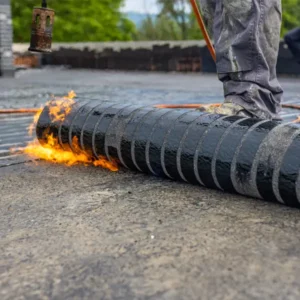
Plumbing and drainage require the same discipline. Small leaks, slow drains, damaged sanitary fixtures, and poor waterproofing can quickly become expensive building issues. In facilities with wash areas, staff accommodations, kitchens, or high water use, proactive checks are essential. Waterproofing repairs and GRP lining can be especially valuable where surfaces face constant moisture, chemicals, or wear.
Electrical maintenance should focus on safe, reliable distribution and early identification of heat damage, loose connections, overloaded circuits, and aging components. Work must be completed by qualified technicians and planned around site safety procedures. For active industrial environments, scheduling and isolation procedures are as important as the repair itself.
Civil and finishing works are sometimes treated as cosmetic, but they protect the facility and support safe operations. Damaged tiles create trip hazards. Peeling coatings can expose surfaces to moisture. Cracked sealant around wet areas can allow water into walls and floors. Timely painting, repairs, sealing, and flooring work preserve the building envelope and maintain a professional working environment.
Choosing the Right Maintenance Partner
The lowest quote is not always the lowest operational cost. Industrial clients need a contractor that can respond quickly, provide skilled technicians, and manage work with minimal interruption to site activities. Technical capability matters, but so do communication, access coordination, reporting, and accountability after the work is completed.
Look for a provider with broad coverage across MEP, HVAC, plumbing, electrical, waterproofing, civil repairs, and renovation support. This does not mean every issue should receive the same solution. It means the contractor can assess the full situation and coordinate the right trade without shifting responsibility between multiple vendors.
For recurring needs, an annual maintenance contract can provide stronger cost control and faster response than arranging every visit separately. The scope should be clear about planned visits, emergency support, exclusions, reporting, materials, and response expectations. A good AMC is not just a fixed-price agreement. It is a working plan for protecting the facility throughout the year.
Zillion Technical Services LLC supports industrial and commercial properties with coordinated technical maintenance, repair, and project services across Dubai and the UAE. The objective is straightforward: keep critical building systems dependable, address defects before they grow, and give clients one professional point of contact for ongoing property care.
A well-maintained industrial facility rarely draws attention because its systems do what they are supposed to do. That consistency is the result of planned inspections, skilled execution, and timely corrective work – the practical foundation for safer operations and fewer costly interruptions.
