






A failed AC unit in peak summer, a recurring plumbing leak, or a pool pump that stops without warning can turn a manageable home into an urgent repair project. A residential maintenance contract checklist helps property owners move beyond a low annual price and confirm what they are actually buying: dependable coverage, qualified technicians, defined response times, and fewer surprises when work is needed.
For villas, apartments, and rental properties, a maintenance agreement should protect comfort, preserve building assets, and reduce the time spent coordinating multiple contractors. The right contract is not necessarily the one with the longest service list. It is the one that matches the property’s systems, condition, occupancy, and risk areas.
Start With the Property’s Actual Maintenance Needs
Before comparing contractors, document the equipment and finishes that need regular attention. An apartment with one split AC system and basic plumbing needs a different agreement than a villa with multiple AC units, water heaters, a swimming pool, external waterproofing, and landscaped outdoor areas.
Walk through the property and identify assets by category. Include AC units and ductwork, electrical panels and fixtures, plumbing lines and sanitary fittings, water heaters, pumps, drainage points, bathrooms, kitchen equipment, doors, windows, paintwork, tile finishes, and pool equipment where applicable. Note the age of each system and any recurring faults. A maintenance provider can only price and plan accurately when the site condition is clear.
For landlords, consider tenant comfort and the cost of delayed repairs. For owner-occupiers, focus on systems that affect daily living, energy use, and long-term durability. For example, preventive AC servicing is often more valuable than a broad list of cosmetic minor repairs if cooling performance has been inconsistent.
Residential Maintenance Contract Checklist: Coverage First
The contract scope should state exactly what is included, how often it will be provided, and what the contractor will do during each visit. General wording such as “all maintenance works” can create confusion later. A clear agreement separates preventive maintenance, emergency callouts, labor, consumables, spare parts, and specialist work.
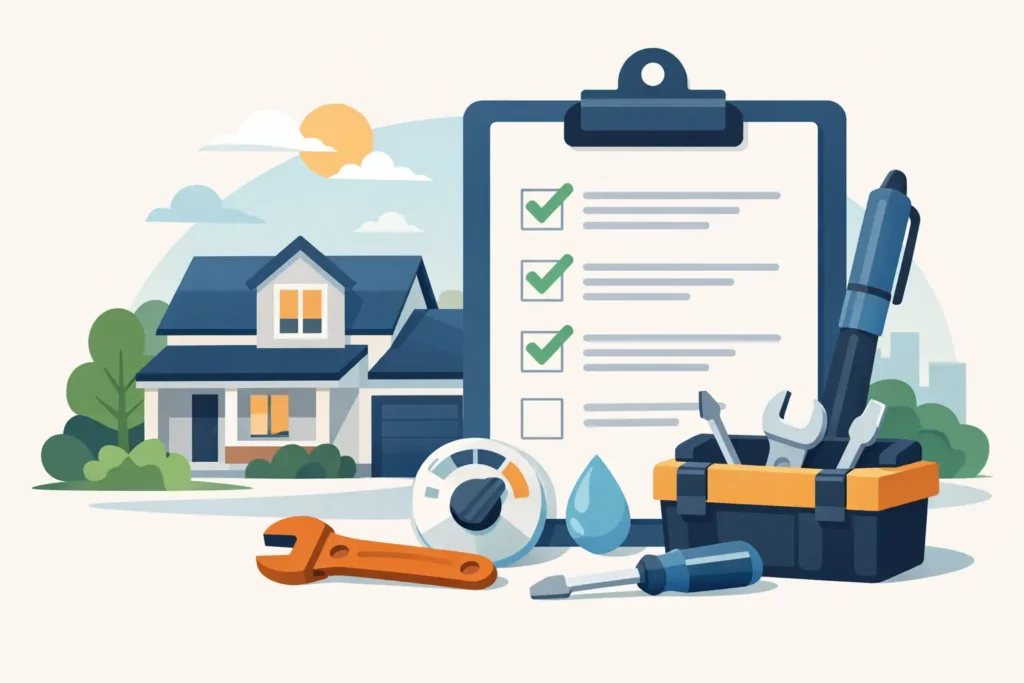
Use this checklist when reviewing the proposed coverage:
- Confirm the included systems, such as AC, electrical, plumbing, water heaters, pumps, drainage, and pool equipment.
- Check the number and frequency of planned inspections or service visits during the contract term.
- Identify whether labor for breakdown repairs is included, limited, or charged separately.
- Ask which materials, consumables, spare parts, and replacement equipment are excluded from the annual fee.
- Verify whether emergency callouts are included and whether after-hours attendance carries an additional charge.
- Review whether pool cleaning, water balancing, waterproofing repairs, painting, duct cleaning, or pest control are separate services.
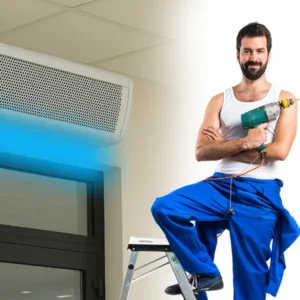
AC maintenance deserves particular attention in the UAE. A meaningful service scope should explain whether technicians will clean filters, inspect electrical connections, assess drainage, check cooling performance, inspect indoor and outdoor units, and identify refrigerant-related concerns. “AC service” can mean very different things from one contractor to another.
The same principle applies to plumbing. A contract may cover a technician’s visit and basic fault diagnosis, but not concealed pipe repairs, major blockages, replacement sanitary ware, or work requiring wall or floor access. That does not make the contract poor value. It simply needs to be stated clearly before an issue occurs.
Check Response Times, Not Just 24/7 Availability
A 24/7 service statement is useful only when it is supported by a defined process. Ask how requests are logged, who confirms the job, and how quickly a technician is expected to attend. Emergency response should be clearly distinguished from routine maintenance appointments.
For a major water leak, total AC failure during extreme heat, electrical hazards, or a pool equipment issue that risks damage, the contract should set a practical priority response window. For non-urgent items such as a loose cabinet hinge, minor paint touch-up, or slow-draining fixture, a scheduled attendance window is usually reasonable.
Also ask whether the response time means a technician arrives on site, calls to assess the problem, or simply acknowledges the request. These are not the same service level. Reliable maintenance depends on clear communication from the first call through job completion.
Understand Exclusions and Approval Limits
Every well-managed maintenance contract has exclusions. The concern is not that exclusions exist, but that they are vague, hidden, or introduced only after a service request has been raised.
Read the exclusion section carefully. Common exclusions may include replacement compressors, motors, pumps, valves, major electrical components, concealed leaks, structural repairs, access equipment, specialist testing, and damage caused by misuse or neglect. Some contracts also exclude work needed because equipment has reached the end of its service life.
Ask for a written process for additional work. The contractor should inspect the issue, explain the finding, submit a quotation where required, and receive approval before proceeding beyond the agreed scope. For rental homes, establish in advance who can approve chargeable repairs: the owner, property manager, or tenant up to a defined limit.
A small approval threshold can prevent avoidable delays. At the same time, owners should retain control over significant repairs and replacements. The right balance depends on how quickly decisions can be made and whether the property is occupied.
Verify Technician Capability and Safety Procedures
Residential maintenance combines several technical disciplines. An AC issue may involve electrical connections and drainage. A bathroom leak may require plumbing diagnosis, tile removal, waterproofing repair, and finishing work. Using separate vendors for every task can slow the process and increase coordination work.
Ask whether the provider has qualified technicians for the systems included in the agreement and whether specialist jobs are handled in-house or through approved teams. For works involving electrical systems, AC equipment, waterproofing, swimming pools, or major renovations, experience and safe work practices matter more than a quick verbal promise.
The contractor should also protect the home while work is underway. This includes using appropriate tools, keeping work areas clean, managing access, and testing the repair before leaving. For larger corrective work, request a clear scope, estimated duration, materials specification, and warranty terms.
Review Inspections, Reporting, and Preventive Planning
A maintenance contract should not operate only when something fails. Scheduled inspections help identify weak points before they become disruptive and expensive. This is especially relevant for AC drainage, water heaters, pumps, bathroom sealant, external surfaces, and pool filtration systems.
Ask what documentation you will receive after each visit. A useful report records the date, systems checked, faults found, actions completed, parts recommended, and any condition that requires follow-up. For landlords and facility managers, this record supports budgeting, tenant communication, and accountability.
Annual planning is another sign of a capable provider. AC servicing may need to be scheduled before the heaviest cooling season. Waterproofing concerns should be addressed before they spread into internal finishes. Pool maintenance needs consistent monitoring rather than occasional reactive visits. The service calendar should reflect the property, not a generic template.
Compare Price on Like-for-Like Terms
The lowest contract price can become expensive if it includes few visits, excludes labor for common repairs, or applies high callout charges. Compare proposals line by line. Check the contract duration, number of assets covered, scheduled visit frequency, labor inclusion, emergency terms, reporting, and rates for out-of-scope work.
Be cautious with unlimited-service wording if no fair-use boundaries or exclusions are defined. It may sound attractive, but unclear coverage often leads to disagreements over what qualifies as a covered repair. A transparent contract with defined labor coverage and published rates can be more dependable.
For properties needing ongoing AC, plumbing, electrical, pool, and general upkeep, a one-stop provider can reduce handoffs between contractors. Zillion Technical Services LLC supports this approach by coordinating multiple maintenance and technical service requirements under one accountable team, while keeping the scope of each job clear.
Confirm the Contract Before Signing
Before approval, make sure the final agreement includes the property address, covered assets, contract dates, scheduled visits, contact channels, response targets, exclusions, rates for additional work, payment terms, and cancellation or renewal conditions. Verbal assurances should be written into the contract or service schedule.
If a provider has not inspected the property, request a site assessment before finalizing the scope. Existing faults should be identified at the start so they are not mistaken for contract-period failures later. This protects both the owner and the contractor.
A maintenance contract works best when it is treated as an operating plan for the home, not a document kept until an emergency happens. Choose a provider that can explain the scope plainly, respond when systems fail, and help keep small issues from becoming major disruptions.
